) AND (EPISERVER_SEARCH_VIRTUALPATH:(43f936c9\-9b23\-4ea3\-97b2\-61c538ad07c9|6929f53c\-f4e8\-453c\-b656\-e561f5e6f2e4*))&namedindexes=&offset=0&limit=1000&format=xml&accesskey=local)
As demand in the UK’s engineering and construction sectors continues to grow, there’s a need to ensure the workforce keeps pace. The engineering sector needs to recruit around 59,000 additional workers each year, with a projected shortfall of over 1 million engineers and technicians by 2030. Within this, plumbing and heating faces a significant gap of its own, with an estimated requirement for 70,000 new professionals by 2032 to support infrastructure and future energy needs.
Addressing this challenge is not only about attracting new entrants. It’s also about sharing skills effectively and helping learners gain experience in real working environments. Further Education (FE) plays a key role, and experienced plumbing and heating professionals already have valuable skills to support this.
What is Further Education?
FE is education for learners aged 16 and over who aren’t in school or studying for a degree. In settings such as colleges, FE involves training others across a wide range of technical, vocational and academic subjects to help prepare learners for work in their chosen field.
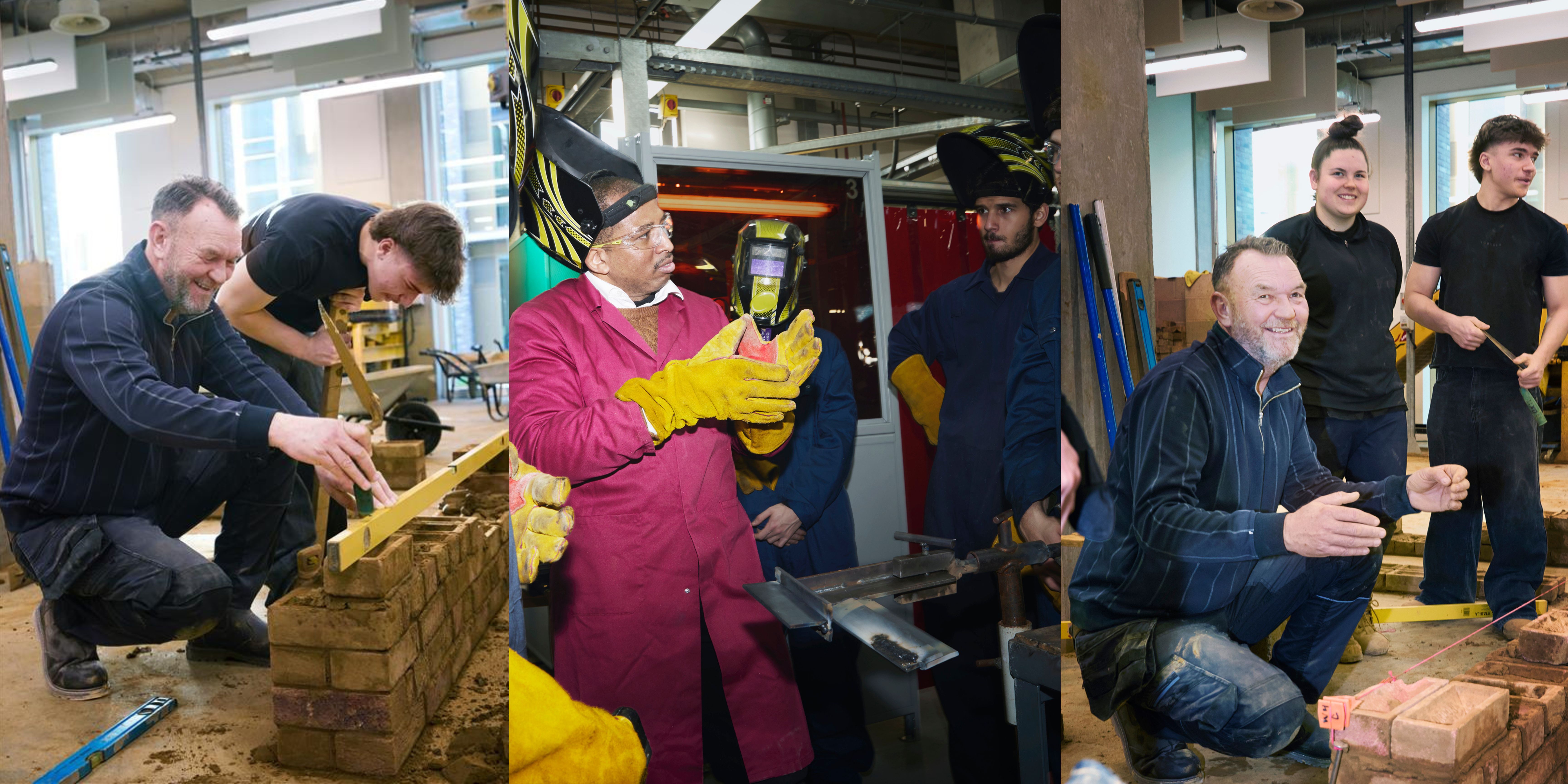
Often based in local colleges, FE offers the opportunity to train others in practical, hands-on settings, from workshops through to classroom-based learning. From subjects such as construction, engineering and manufacturing to healthcare and digital, chances are that if you are an industry professional, your skills are in demand.
Why industry expertise matters in FE
Plumbing and heating is a practical profession shaped by regulation, safety requirements and customer expectations. Colleges are increasingly looking for FE trainers who can pass on their current, real world industry experience, ensuring learners are equipped for the realities of working in the sector.
Industry professionals contribute up to date knowledge in areas such as installation and commissioning, safe working practices, compliance and customer communication. These skills translate directly into FE:
- Diagnosing a heating fault can become a structured session on systematic problem solving, safe isolation and methodical testing
- Interpreting plans and regulations can become an assessed workshop on compliance, water regulations and risk assessment
- Mentoring apprentices can become small group facilitation, practical demonstrations and formative assessment
By sharing their experience, plumbing and heating professionals help ensure learners develop both technical competence and professional behaviours, supporting a stronger future workforce.
What a career in FE can look like and what it offers
If you have industry experience and a passion for your profession, you already have what it takes to become a great FE trainer.
Teacher training can be completed on the job while earning, often supported or funded by the employer. Many roles in FE are full time, with some part time and flexible roles available.
Ian Hall, now a Plumbing, Heating, Gas and Renewable Technologies FE trainer, who spent over 20 years working in the plumbing and heating industry before moving into FE, shares his experience:
“Training others at my local college wasn’t something I planned but it turned out to be one of the best professional decisions I’ve ever made. Moving into FE allowed me to use everything I had learned in industry and pass it on in a way that really makes a difference. You don’t need any new qualifications to start, as you can undertake teacher training on the job. It’s incredibly rewarding to see learners grow in confidence and develop the skills they need for life in the trade.”
Alongside professional fulfilment, FE offers benefits that matter. These may include job security, more regular working hours, annual leave, and access to a pension scheme. Many trainers also value the pride that comes from helping to shape the future workforce and knowing their skills are helping to sustain the profession.
There are benefits for employers too. Supporting staff to train others in FE strengthens links with colleges, helps shape curriculum in line with industry needs and brings enhanced communication, leadership and mentoring skills back into the business.
For more information on careers in FE, visit the website: Engineering - Teach in further education - Department for Education